“Out of my 23 years of teaching, this professional development is in my top two – or ties for first in terms of how much I learned and [the] misconceptions [that] changed, changing my perspective on logging in this case. I’m so happy to have the rest of the story now. “
So said one participating educator at a June ‘Forests, Fire and Community’ workshop in Skagit County. The two-day, in-person workshop aimed to help teachers implement balanced forest education, provide career-connected learning and career pathways to the forest products industry and share Project Learning Tree resources.
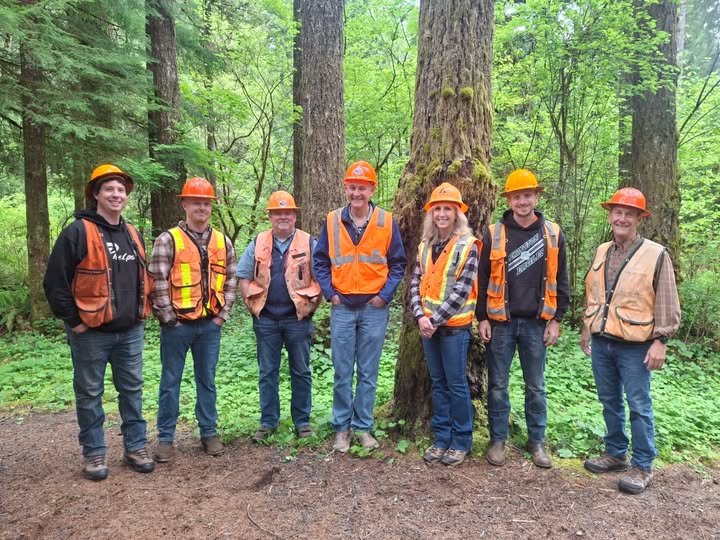
Forestry company Hampton Lumber provided both guest presenters and working forest sites for participants to learn about forest practices. The workshop also had generous inter-agency support from the Department of Natural Resources. Hollis Crapo, Department of Natural Resources Regulation Assistance Forester, shared about Washington State Forest Practice Rules and supported teachers throughout the two-day experience. Kirk Troberg, a Department of Natural Resources Fire Management Officer for Whatcom and Skagit counties, shared about the state of fire in western Washington and how the DNR responds to fire in the wildland-urban interface.
“This workshop allowed me to expand my knowledge about sustainable forest management.I was also able to clear up misconceptions about the role of logging and its impact on the environment. I will be able to transfer this knowledge to my students in a relatable way.”
— Workshop Participant
The workshop began with a game in which teachers tried to identify which forest product they were by asking yes/no questions about the mystery photos taped onto their backs. “There was a lot of buzz in the room during this activity as they discovered how various parts of the tree are used for unexpected products, like resin in chewing gum or cellulose in shampoo,” says PEI’s Northwest FieldSTEM Coordinator Amy-Keiper Gowan, one of the workshop’s facilitators.
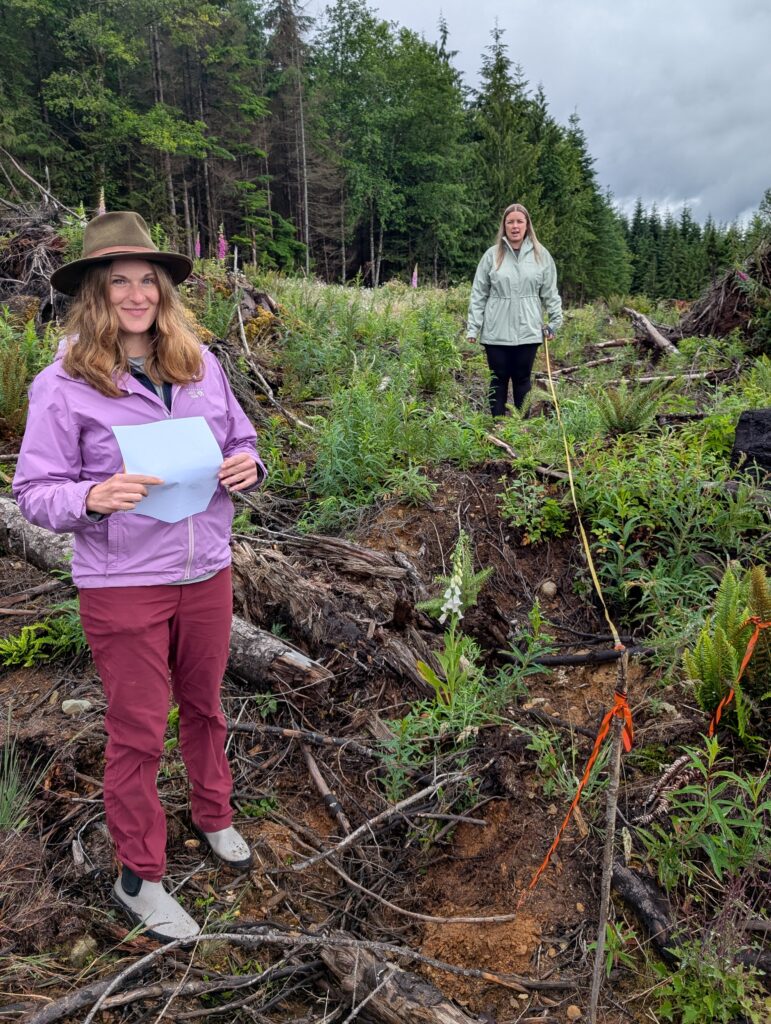
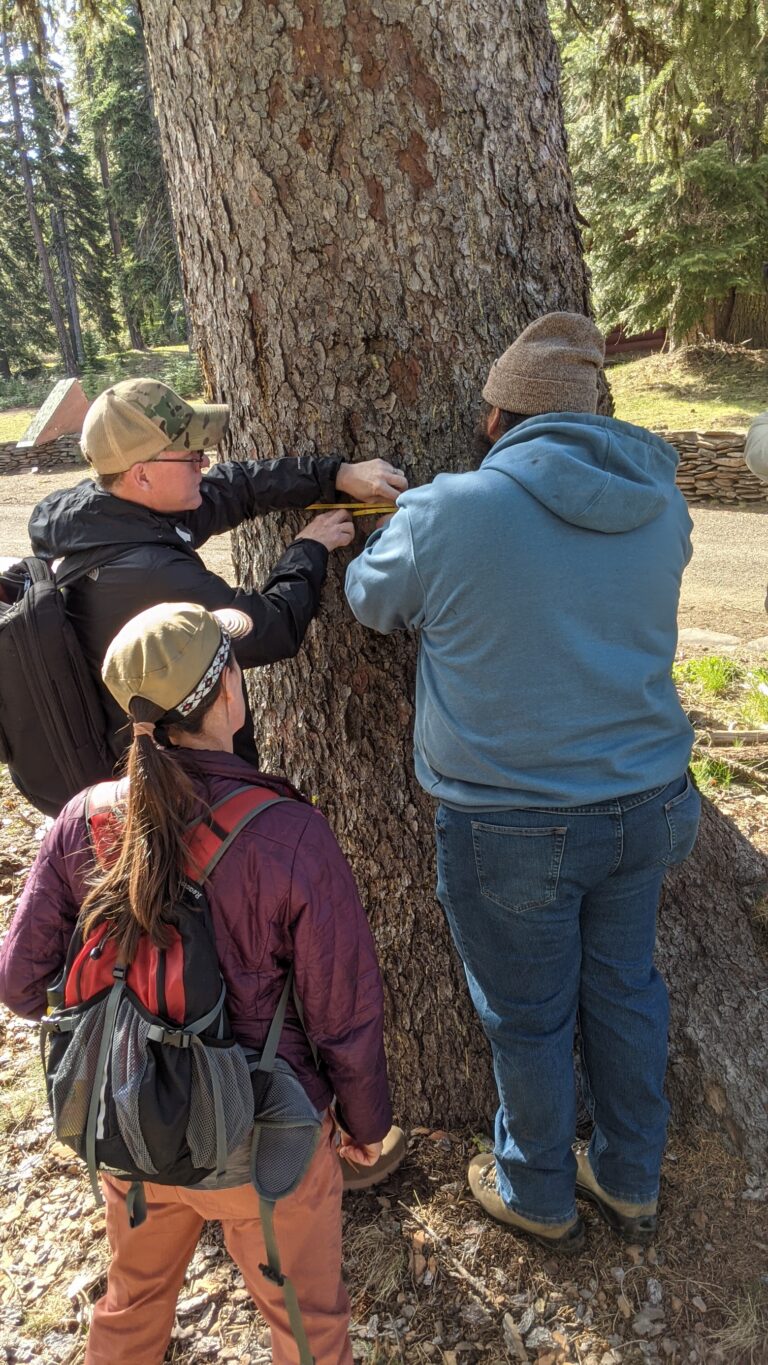
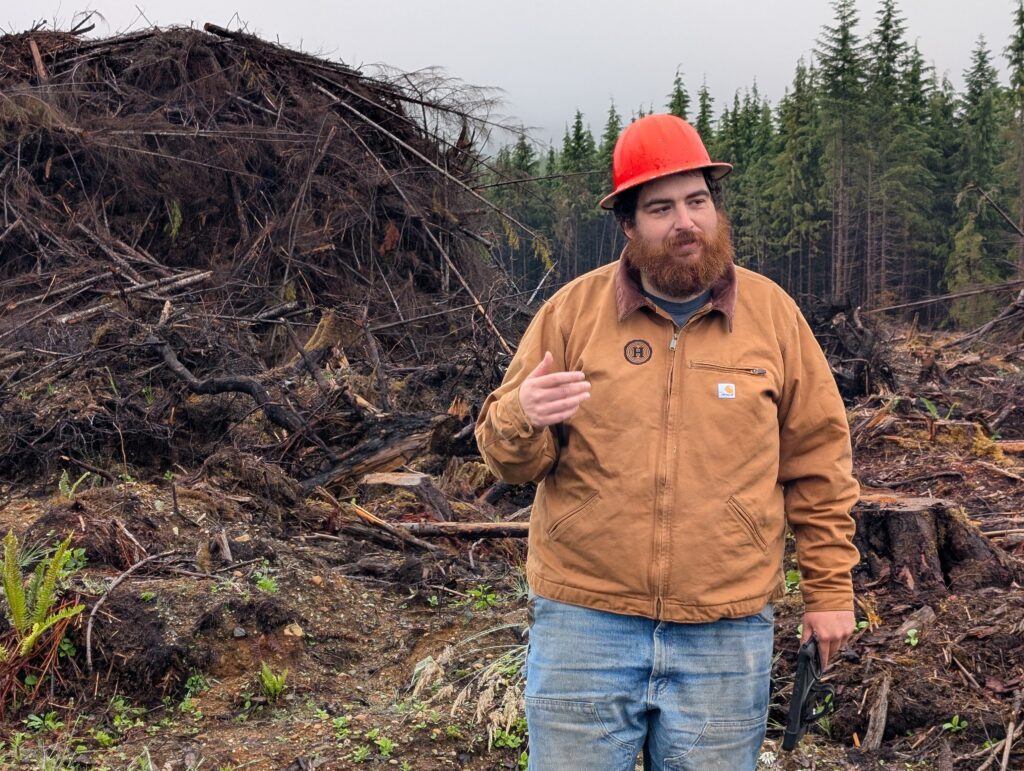
Later, teachers toured a newly harvested and planted site on one of Hampton’s working forests to learn about forest management and toured a separate site looking for signs of regeneration after harvest. In teams of three, they walked measuring tapes in a circle around a provided stake while moving carefully around scrubby shrubs and foliage, creating sections within the plot and becoming curious about the species they were seeing. All groups were able to find at least one sapling regenerating even before that plot had been replanted.
Hampton Lumber Silviculture Forester Jacob Vail and North Cascades Forest Manager Julie Donahoe spoke passionately and knowledgeably about how they manage the land and the importance of maintaining healthy soil, trees, land, and the entire ecosystem. Teachers were impressed with the heart of both professionals that inspired their work.
“I spend most of my time out here,” Donahoe said, gesturing to the thriving forest. “In the end, yes, this is Hampton Lumber’s forest, but I’m the one who manages it; these are my forests.” Donahoe shared how the role with Hampton allows her to use her multiple math and science degrees. “I use chemistry and science all the time,” she shared. “Other foresters want to know, for example, why the crown of a tree may show disease, and I can apply what I know about chemistry and science to find out. I care about what happens here.”
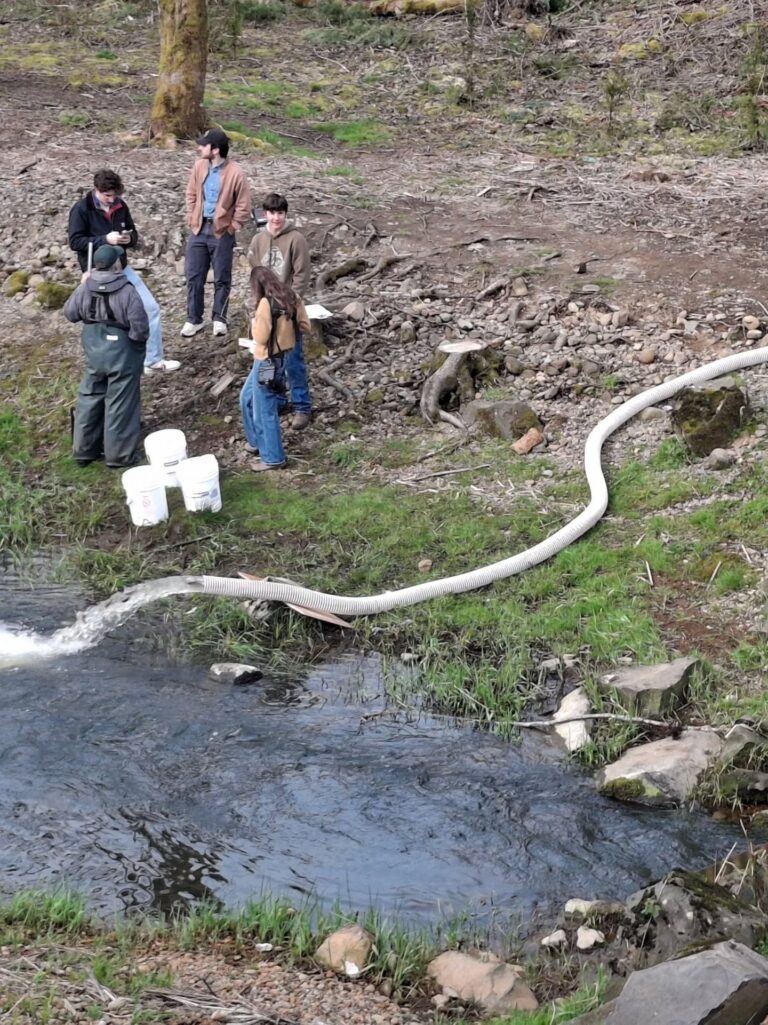
Over the two days, participants learned about forest health indicators, the relationship between western Washington forests and fire, how scientists manage for fire, ways to calculate buffers for riparian zones, forest practice rules, and the factors that influence forest management decisions. By the end of the workshop, many had new perspectives on the process.
“This workshop allowed me to expand my knowledge about sustainable forest management,” one participant reported in a post-workshop evaluation. “I was also able to clear up misconceptions about the role of logging and its impact on the environment. I will be able to transfer this knowledge to my students in a relatable way.”
Several attending teachers plan to implement lessons from the PLT guide and to invite Hampton employees as guest speakers to share concepts related to forest management and career pathways for students. They may also collaboratively plan and facilitate lessons with Hampton Lumber’s Community Outreach Coordinator Jessica Espy; and/or organize a class tour of a Hampton forest site or mill.
Espy plans to continue offering these engaging forest management education workshops in the future. To hear about future workshops, consider signing up for the PEI newsletter or connecting with Jessica Espy at [email protected]