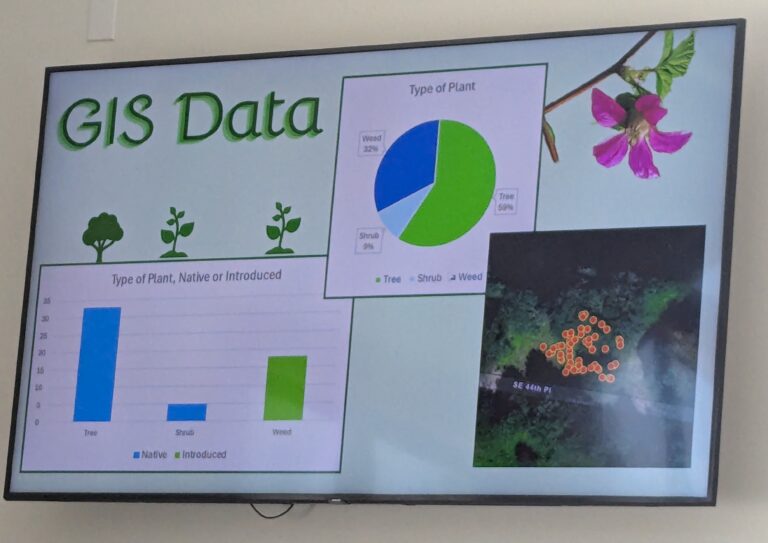
For the first time since 2000, computer science enrollment is dropping at universities across the United States as AI continues to expand into sectors previously operated by humans. Despite this trend, one tech field is projected to grow by 10% through 2032: Geographic Information Systems, or GIS. Employment for graduates with GIS degrees has grown 15% in the last five years, reflecting its widespread use across diverse industries.
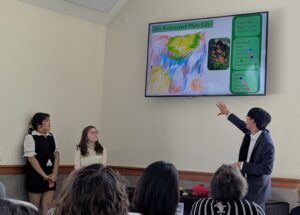
Soon, Washington State students will be able to earn GIS Career and Technical Education (CTE) credits through new PEI introductory and advanced courses. “In all of our previous work, we have heard repeatedly from employers that GIS is a skill needed in Ag and Natural Resources,” says Heather Spalding, PEI’s Associate Director of Green Jobs. “GIS crosses multiple sectors, and will allow students to tell a story about information they’re gathering, whether that’s a solution they want to see or a management issue. It’s an entry-level skill that can be built upon to develop a well-rounded career portfolio that meets employer needs in ag and natural resources as well as all other industry sectors.”
“GIS crosses multiple sectors, and will allow students to tell a story about information they’re gathering, whether that’s a solution they want to see or a management issue.”
— Associate Director of Green Jobs Heather Spalding
CTE frameworks are often written at the local school or district level and have limited reach across Washington. As a statewide entity, PEI is convening a wide array of perspectives to inform our GIS pathway writing process, including those of employers, K-12 and post-secondary education, Tribes and the Office of the Superintendent of Public Instruction (OSPI). The resulting frameworks will be designed to work both as standalone courses and as part of a pathway to helpstudents navigate their career choices. Through the courses, students can earn high school credit, job skills, an Industry Recognized Credential (IRC) and in some cases, dual credit at a regional college.
Washington State’s Department of Natural Resources (DNR) is hosting a GIS community of practice for teachers and Spalding has invited some of those educators to join the writing team, which will convene in May. “Those who self-rated themselves highly on proficiency with GIS are a priority for the writing team ,” she says. There will also be ways for a larger group to provide feedback throughout the process.
Typically, PEI works with industry professionals to develop IRCs aligned to CTE courses, but with GIS, that’s not necessary. A certification already exists through GIS software company Esri. Spalding supported DNR’s Youth Education and Outreach Program Manager Clare Sobetski to submit that certification to OSPI for use as an IRC. “Because the existing IRC was approved for use across Washington, we’re going to align the courses we develop to that already statewide approved IRC,” says Spalding. “The certification is built in.”
PEI will also begin building two more CTE courses focused on agricultural and natural resource mechanics in the fall.