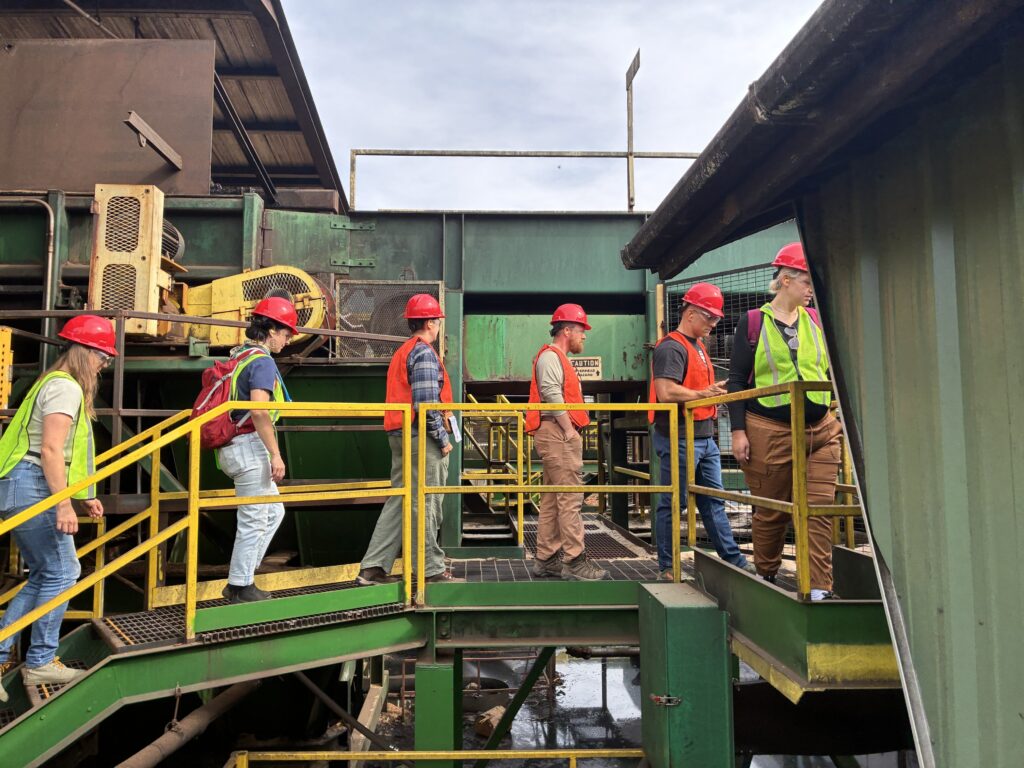
It’s possible to drive by a facility for years without understanding its function or role in the community. As one participant in a recent PEI workshop explained, “I’ve lived in Lewis County my whole life but never realized how the mill operates and how large-scale it is. It really is a valuable resource in our community.”
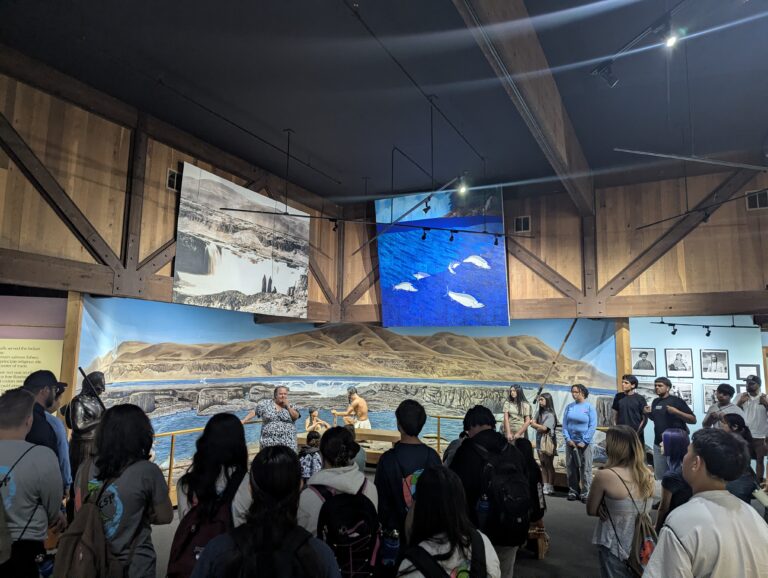
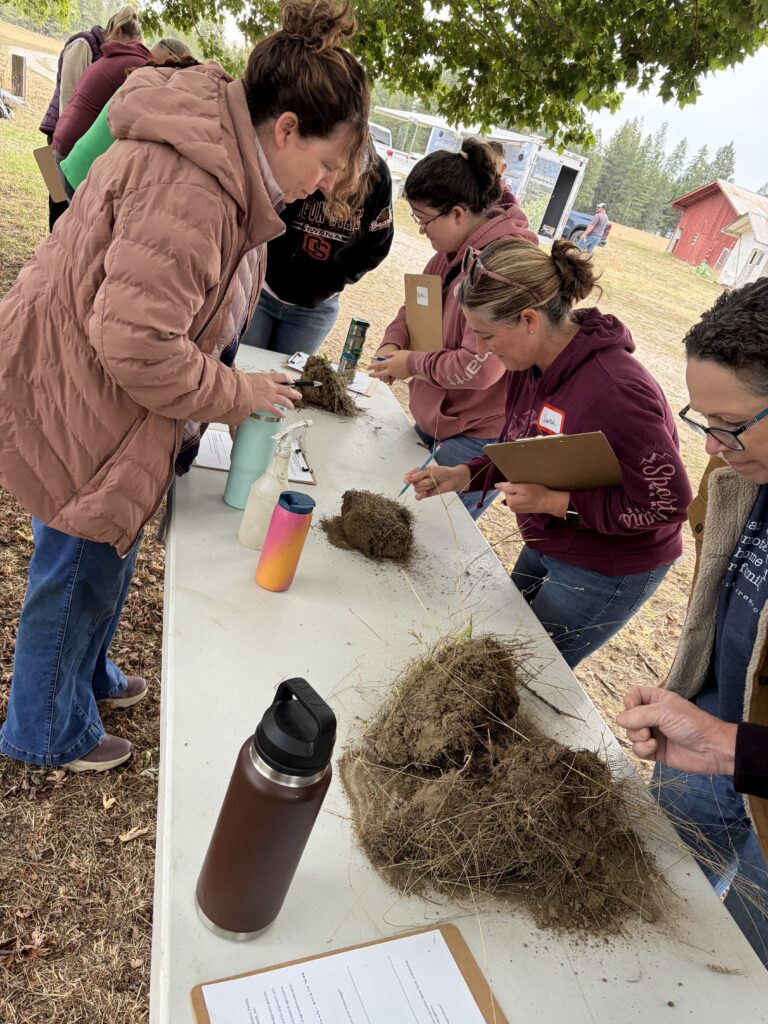
The mill in question is Hampton Lumber’s Cowlitz Mill, which 21 K-12 teachers visited as part of an Engaging Communities in Forestry Education (ECFE) workshop. Cispus Learning Center hosted the two-day, in-person workshop designed to strengthen teachers’ understanding of forest management through hands-on experiences and engaging with forestry professionals. They also explored educational resources like Project Learning Tree (PLT) activity guides, reflected on their learning, and planned how they might implement those strategies with students. Hampton Lumber provided funding.
“Our goal for this workshop was to have educators gain a deeper, firsthand understanding of how modern forest management is done,” says
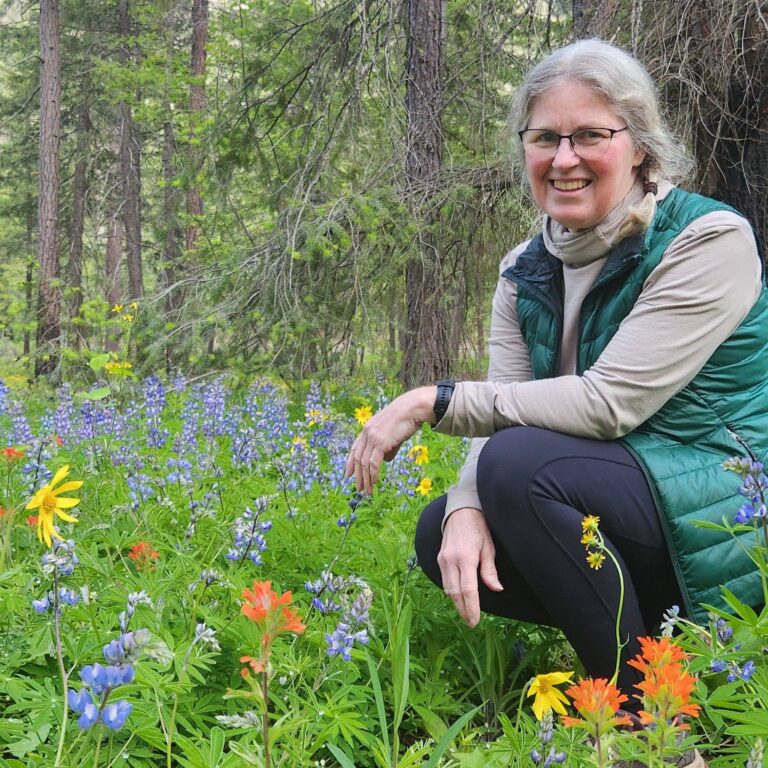
Jessica Espy, Community Outreach Coordinator for Hampton Lumber. Espy co-facilitated the training with PEI’s Lower Columbia FieldSTEM Coordinator Emily Newman and Washington Department of Natural Resources (DNR) Youth Education & Outreach Program Regional Coordinator Kelly Sullivan. “Forest management involves a complex mix of science, policy and environmental considerations. We wanted educators to feel comfortable discussing those topics in their classrooms. The teachers stayed engaged and curious throughout both days, so I would call this a success.”
On the first day, participants visited Boyer Family Forest, which was nominated for Lewis County Tree Farm of the Year in 2023 and for Washington State Tree Farm of the Year in 2024. There, they explored how a family forest is managed to balance timber production with wildlife habitat, forest diversity, regeneration, and wildfire risk reduction. Participants heard directly from the Boyers about the decisions and trade-offs involved in managing their land and saw examples of different management practices throughout the property.
“I’m excited to implement the information learned here. The hands-on mill tour was eye-opening and informative. Learning from different areas of the industry will inform how I present information in class.”
— Elementary School Teacher
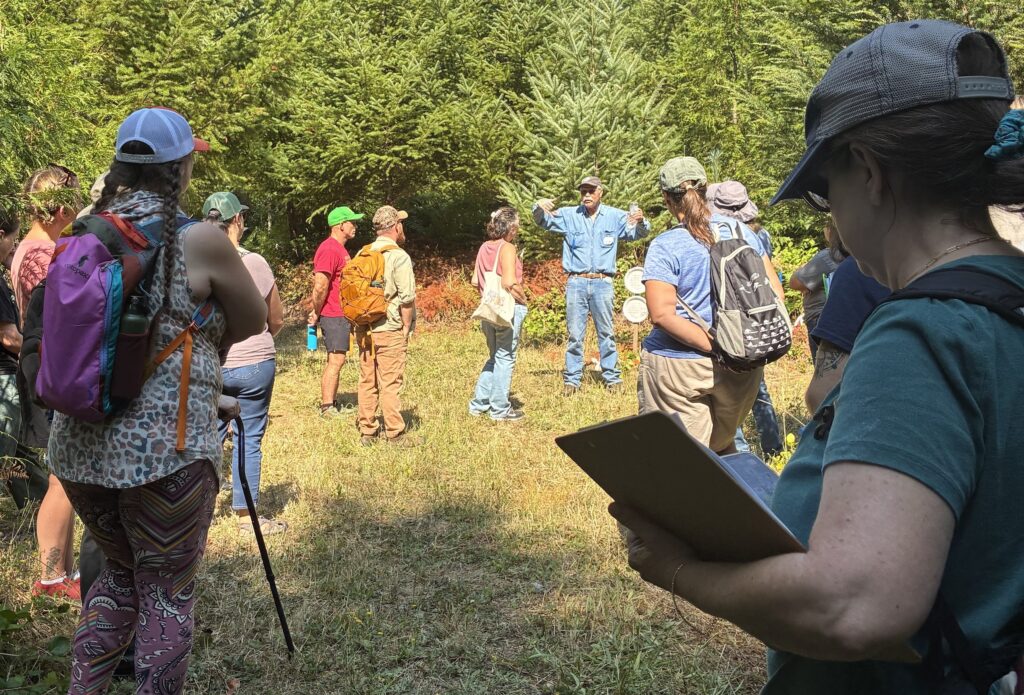
The following day was the mill visit, followed by a field experience on Washington DNR trust land. Hearing directly from forestry professionals made an impact. “The major takeaway was just how everyone involved in this industry, their livelihoods are tied to the health of the forest,” says Autumn Stevick, a science and math teacher at Thurgood Marshall Middle School. “It was really reassuring to hear the practices that they’re coming up with to ensure the health of the forest and the regeneration of the forest as they’re harvesting it.”
“I grew up with a negative view of ‘clear-cuts’ from living in a forested area east of Seattle,” reported another teacher in a post-program evaluation. “That image has been challenged over the years and this experience further educated me.”
Espy believes it’s important for educators in timber districts to understand the complexities of the industry. “These workshops are extremely valuable,” she maintains. “They create such a positive collaboration between industry and local partners like PEI, DNR and the school districts. They put a face to the industry. When people have the opportunity to meet foresters and mill employees, they’re more comfortable asking difficult questions and can get clear, reliable answers.”
The next step will happen in classrooms as the 2026-27 school year begins. Teachers shared their plans to incorporate aspects of the workshop with their students, particularly PLT lessons and activities.
“I’m excited to implement information learned here,” an elementary school teacher shared. “The hands-on mill tour was eye-opening and informative. Learning from different areas of the industry will inform how I present information in class.”
Stevick taught outdoor science before becoming a classroom teacher, and the workshop served as a powerful reminder of how important it is to get students outside. “I teach about plants and trees in the spring, but so much of what we do is books and reading,” she says. “It was amazing how much more I learned when we were outside, learning about the diversity of the trees and how they were harvested. We have a creek running through our school property with a clearcut next to it. I’m going to get students out and have them observe a tree through the seasons. We’ll do hands-on activities, find out what was planted and why, and talk about careers in forestry, looking at actual trees. That’s important.”