First, the good news. According to an annual survey from Gallup and the Walton Family Foundation, 80% of Gen Z K-12 students say they have a great future ahead of them.
However, only six in ten feel prepared for it.
A key factor: engagement. In the 2026 Voices of Gen Z Study, 41% of students reported that they do not agree that they have learned anything interesting in the past week. The gap between their views of the future and their sense of preparedness widened based on their levels of engagement.
The same study found that 67% of students who took career-connected classes felt prepared for their futures, compared to 40% of those who did not. This does not surprise Onalaska Career &
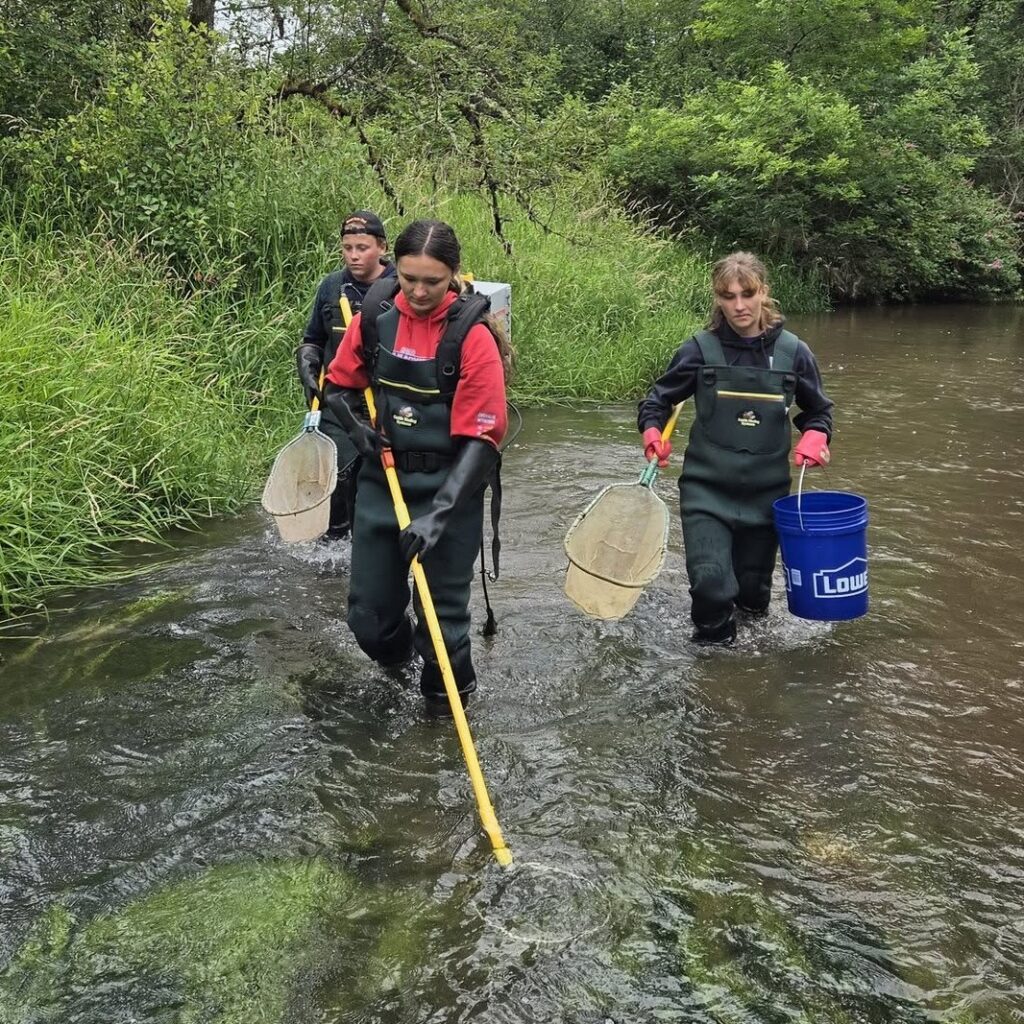
Technical Education (CTE) teacher Kevin Hoffman, who teaches a three-month Aquaculture & Fisheries (A&F) course that involves significant amounts of field experience. “Learning with a purpose is essential to an effective CTE program,” says Hoffman. “Everything that is done in the classroom should have a tangible purpose for the students. This creates ‘buy-in’ and results in success.”
Hoffman uses PEI’s A&F CTE course, designed as part of our third core program: Career and Workforce Pathways (CWP). CWP strengthens career-connected learning throughout the K-12 system through training and resources and by fostering relationships between education and industry. This both supports student engagement and fulfills a growing need for workforce development within the natural resources sector.
“Having these frameworks allows us to better align our instruction to current industry standards and competencies that employers are looking for.”
— Onalaska Career & Technical Education Teacher Kevin Hoffman
The Washington Department of Natural Resources (DNR) DNR became sufficiently concerned about the issue to put forth a decision package requesting targeted investments in natural resources and forest health education.
“Washington’s natural resource employers report an alarming shortage of workers to fill vital natural resource positions in government, private sector, and non-profit organizations,” a DNR statement reads. “The crisis is heightened as a generation of natural resources workers nears retirement. There is a greater need than ever for a robust natural resources workforce given major environmental threats exacerbated by climate change, yet the state lacks the necessary influx of a trained, diverse workforce to take on these essential roles.”
PEI’s Associate Director of Green Jobs Heather Spalding oversees the CWP program, which addresses both educational and workforce challenges and opportunities through:
- Career and Technical Education (CTE) course development
- The Youth Engaged in Sustainable Systems (YESS) program, a three- to six-week internship through which students gain academic credit, field experience, entry-level skills and an Industry Recognized Credential (IRC)
- Ensuring that career-connected learning is embedded within K-5/elementary resources
- Serving as the Agriculture & Natural Resources (ANR) sector lead for Washington State through Career Connect Washington
A 2025 ED Northwest study, Career and Technical Education in Washington State, examined the state of CTE education and offered recommendations, including:
Increasing participation in CTE for all students. PEI’s CWP program expands access and reduces barriers to participation in CTE courses. CTE frameworks are typically developed at the local level by schools that can afford to pay for the time and effort it takes to build them, limiting their relevance beyond a single community and denying access for underserved and/or rural districts such as Onalaska. “As a small district, we don’t have the resources to create frameworks like these,” says Hoffman.
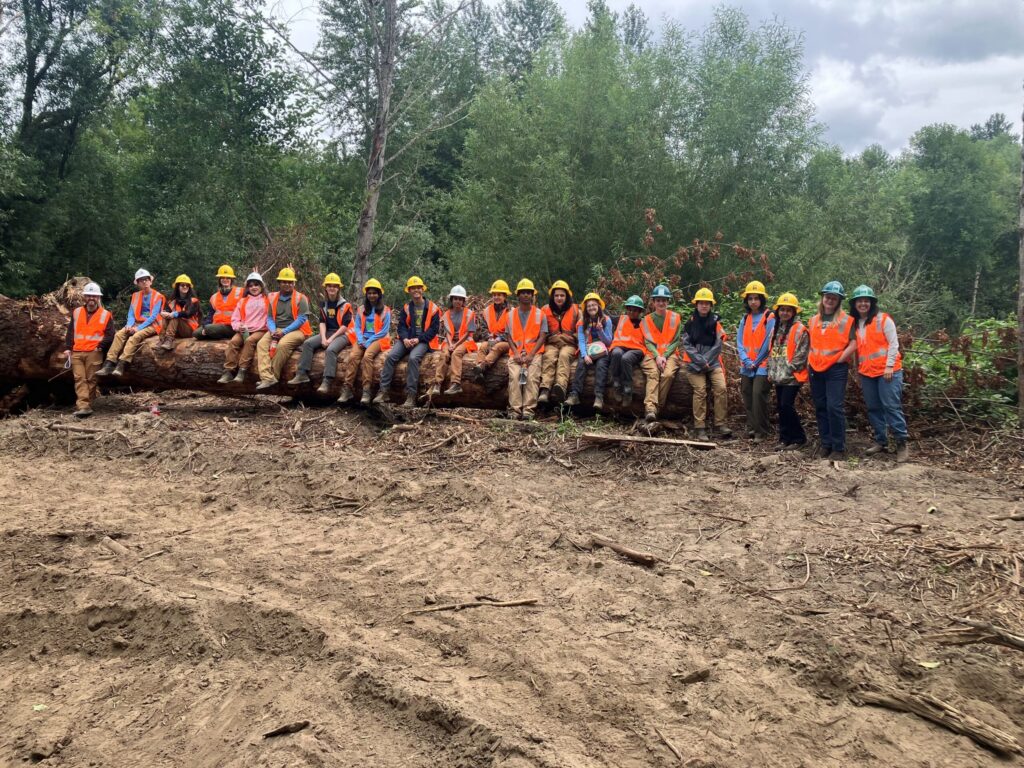
PEI currently has ten introductory and advanced frameworks approved for credit equivalency by the Office of Superintendent of Public Instruction: Forest Management, Restoration Ecology, Aquaculture & Fisheries, Urban and Community Forestry and Education Through Outdoor Learning. Introductory and Advanced courses in Water Systems Management, GIS and ANR Mechanics are either awaiting approval or in the development process.
Each YESS program uses one or more of the frameworks. Riverview School District (RSD) is now in its 6th year of offering the program, which makes learning accessible for those who might typically struggle to graduate.
“We have a lot of kids who are not super motivated by sitting at a desk all day and not feeling the relevance of what they’re learning,” explains RSD’s Assistant Director of Teaching & Learning Kristin Edlund. “These are kids who might have been deficient in their credit accrual and needed additional credits for graduation, but mostly they’re not feeling connected to school. They come back from the YESS program with a new motivation for graduation and being able to see the relevance of the skills they’re learning for a future beyond school.”
Strengthening alignment between CTE pathways and local needs and opportunities. Nicole Perry uses PEI’s introductory and advanced A&F CTE courses at Ferndale High School. “We have a lot of aquaculture industry in our area,” says Perry. “The Lummi Nation actually recruits students right out of this class. They take us on field trips and do amazing outreach. We maintain strong relationships with them, as well as the Bellingham Technical College hatchery fisheries program and other industry partners.”
Hoffman notes that availability and demand for jobs with skill sets in aquaculture and fisheries are high regionally. “Both are very relevant in our area,” he says. “Having these frameworks allows us to better align our instruction to current industry standards and competencies that employers are looking for.” As ANR Sector Lead, Spalding partners with employers to scale work-based learning programs that support the future workforce.
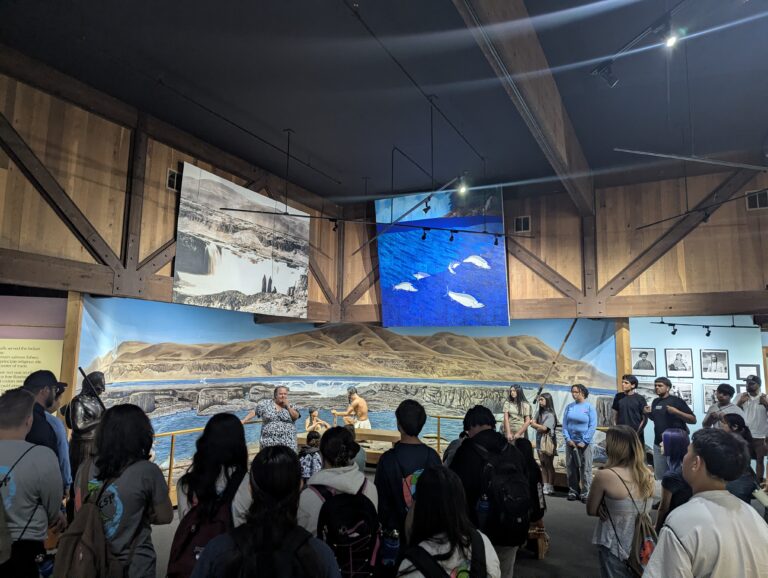
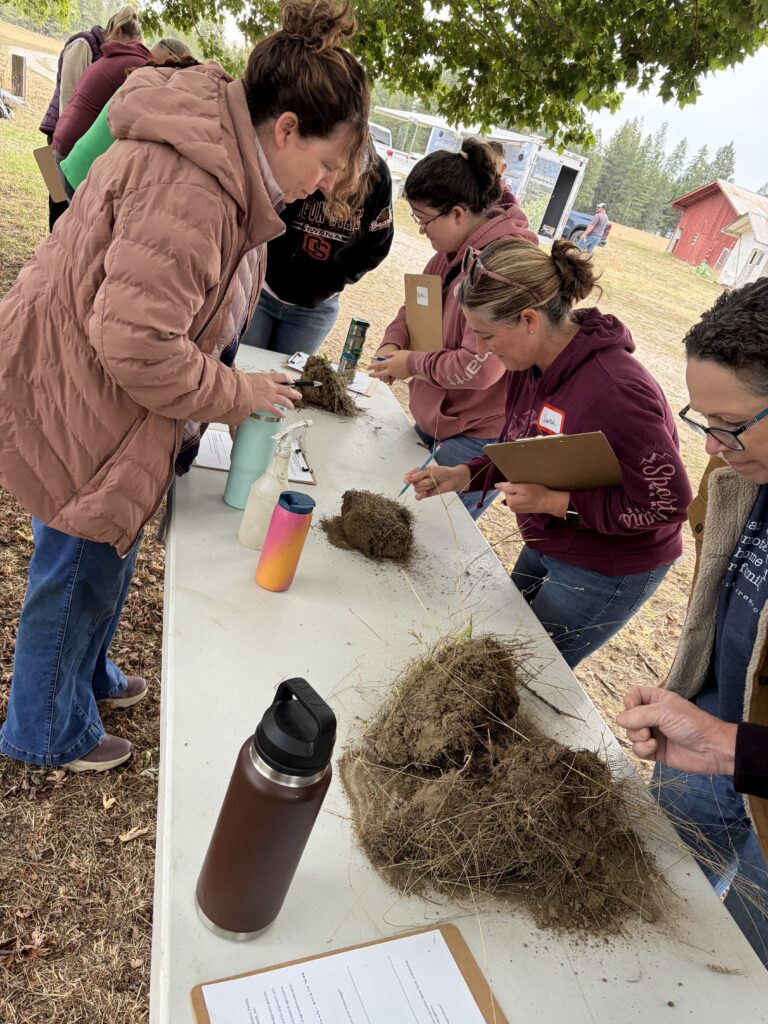
PEI’s YESS program connects schools with local community partners; in 2026, more than 60 partners from national, statewide and county agencies, natural resources companies and conservation organizations provided field and work-based experiences for 132 students.
Perry has an additional recommendation for CTE teachers. “Make sure your students are actually learning workplace skills,” she says. “These can be as boring as cleaning up after yourself to talking to the public about your project.” A 2025 National Association of Colleges & Employers Job Outlook Survey found that the top attributes employers are seeking are problem-solving, ability to work as a team, communication skills, initiative and work ethic.
In the coming year, PEI’s CWP program will continue to develop CTE frameworks, operate YESS programs in collaboration with districts and partners and focus on tracking the program’s impact on students and employers so that an increasing number of Washington students can not only look forward to their futures but feel prepared for them.