“I used to think poetry and science don’t mix,” says one teacher who participated in the Many Places, Many Lives workshop this November. “Now I see how they can be combined.”
The workshop was a collaboration between PEI and the Washington Department of Fish & Wildlife (WDFW). Forty-two educators explored WDFW’s new kindergarten unit on wildlife habitats. They learned how poetry, habitat illustrations and simple mapping help young students notice how animals find food, water, air and shelter in various ecosystems, including urban neighborhoods. They also learned ways to introduce careers like wildlife biology and scientific illustration.
The ‘Many Places, Many Lives’ curriculum unit fills a need for free, ready-to-use kindergarten science materials that are locally relevant and genuinely integrated across subjects, says PEI’s Lower Columbia FieldSTEM Coordinator Emily Newman. “Rather than teaching habitats through animals and ecosystems from far away, students investigate wildlife and habitats found here in Washington.”
“Teachers who have attended our trainings have come up with some amazing ways they intend to adapt the unit plans and its associated resources to their classrooms to help integrate English Language Arts, Social Studies, Art, Since Time Immemorial and Science.”
– – Autumn Eckenrod, Washington Department of Fish & Wildlife Conservation Education Curriculum Coordinator
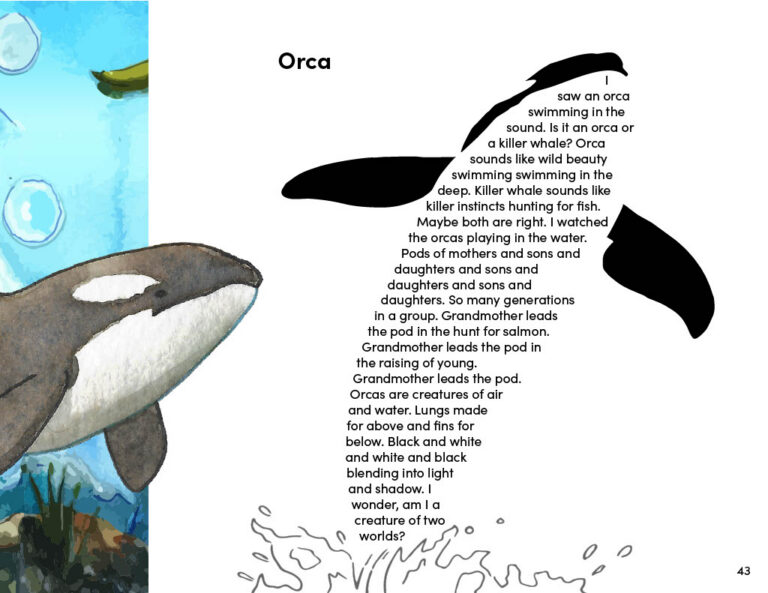
The unit also brings together a poetry book, student workbook, habitat illustrations, child-friendly research website, and diorama materials, giving teachers a complete learning sequence instead of
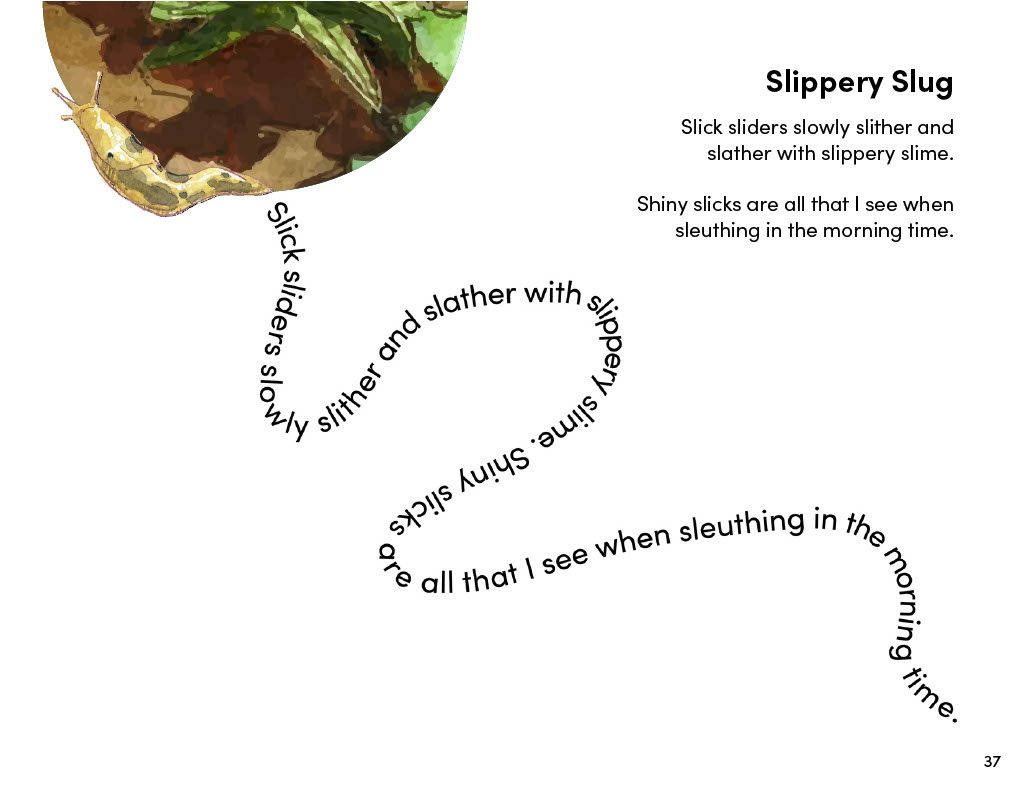
requiring them to assemble all the pieces themselves. WDFW’s Conservation Education Curriculum Coordinator Autumn Eckenrod is the primary author but the poetry book includes poems and artwork contributed by WDFW staff and other collaborators.
Before analyzing wildlife habitats, students map their own neighborhoods and consider how their communities fulfill their basic needs. That progression makes an abstract science concept more concrete and connects the learning to children’s lived experiences, says Newman. The neighborhood model also offers natural math and art connections as students identify, draw, cut, fold and combine two-dimensional shapes to construct buildings and other neighborhood features, and later create habitat dioramas based on their animal research.
“Teachers who have attended our trainings have come up with some amazing ways they intend to adapt the unit plans and its associated resources to their classrooms to help integrate English Language Arts, Social Studies, Art, Since Time Immemorial and Science,” says Eckenrod. “Many have expressed excitement about creating a model neighborhood as an anchoring phenomenon to be used both as part of this unit, as well as opportunities to connect this model to their other subjects.
The poetry component proved most surprising for teachers; many had never considered how poetry could be used to teach science. “It’s a great resource for little ones,” reported one participant. “Poetry is very rhythmic and lends itself to dance and animal mimicry,” said another. Eckenrod notes that different poetic forms invite children to notice language, sound, imagery, movement and animal behavior in different ways.
Based on post-workshop evaluations, teachers are excited about implementing the curriculum. “One educator had already sent materials to the print shop,” says Newman. “Another had already explored the shrub steppe research page with students, and several said they planned to share the curriculum with their teams. Overall, the feedback showed that educators valued having a free, Washington-specific resource that could function as a complete unit or supplement work they already do with animals, habitats, poetry, communities and sense of place.”
PEI and WDFW will begin a new online early learning teacher workshop series occurring every Tuesday in January. It will begin with an overview and continue with WDFW’s Wild Washington curriculum, diving into the kindergarten, first-grade and second-grade units in more depth. Statewide Pre-K-2nd grade teachers can find out more and register at https://www.tfaforms.com/5240377 .